
Best Cinema Cameras 2026: The Only 16 Cameras Actually Worth Your Money for Freelance & Creators

What are the best cinema cameras for freelancers and creators in 2026? Right now, the Sony FX3 and FX5 lead the full‑frame cinema line for solo shooters and small crews who want a compact body, strong autofocus, and internal codecs that hold up in post, while the FX6 remains the go‑to for documentary and pro freelance work that needs built‑in NDs and XLR audio in a modular rig. For hybrid creators who also shoot stills, the Canon R5 C and Panasonic S5 IIX offer full‑frame 6K/8K video in mirrorless bodies, and for budget indie filmmakers, the Blackmagic 6K Pro, 6K G2, and 4K still deliver raw and ProRes workflows at prices that make sense for low‑budget narrative and documentary work.
This guide breaks down 16 cinema and hybrid cameras I’ve actually used on freelance jobs, indie sets, YouTube studios, and commercial shoots, so you can figure out which one fits your workflow instead of just chasing spec sheets. The list covers pro full‑frame cinema bodies, Super 35 workhorses, hybrid mirrorless options, and entry‑level APS‑C cameras for creators just starting out.


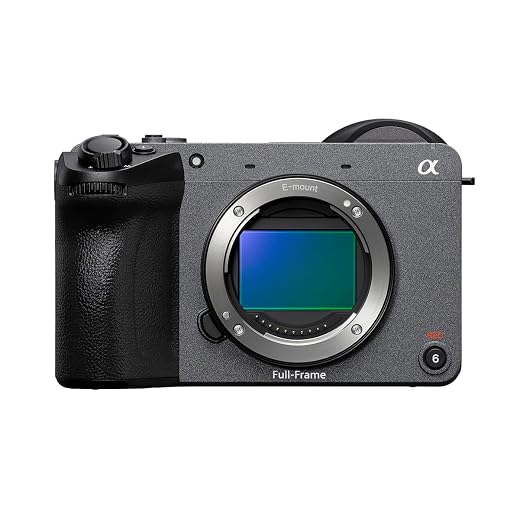


Best cinema camera for freelance filmmakers overall
The Sony FX3 is the best cinema camera for freelance filmmakers overall in 2026 because it packs a full‑frame 4K sensor, S‑Cinetone color science, 4K 120p, excellent autofocus, and a compact body that works on gimbals, handheld rigs, and small narrative sets without feeling like you’re wrestling a brick. If you want one camera that covers indie narrative, commercial work, music videos, and high‑end YouTube content without needing a separate A and B cam, the FX3 is the one to buy.
1. Sony FX3 (Full‑Frame Cinema Line)
Sony FX3 Cinema Camera with FE 24-70mm f/2.8 GM II Lens Bundle
The FX3 is the camera I recommend to freelance DPs and solo creators who want a true cinema body that still feels manageable on one‑person shoots. The full‑frame 4K sensor gives you real control over depth of field and low‑light performance, and S‑Cinetone means you can hand over footage that looks finished without spending hours in the grade. For clients who expect a cinematic look but don’t want to pay for a full grade, that alone is worth the price.
Autofocus is where this camera separates itself from traditional cinema bodies. Sony’s latest on‑sensor AF with real‑time tracking and eye/animal detection locks onto subjects and stays there, even when they move through complex scenes. The 4K 120p mode gives you smooth slow motion for music videos, commercial spots, and narrative B‑roll, and the camera supports internal 10‑bit 4:2:2 recording, which is enough latitude for most freelance color work.
Ergonomics are designed around a compact rig: the body is small enough for gimbal work and handheld narrative, but it still has cinema‑style menus, timecode, and professional audio options when you add the XLR handle. Battery life is solid for a camera this size, and the active cooling means you can record long interviews or events without worrying about overheating. The FX3 is the ideal choice for anyone seeking a high-quality full-frame cinema camera that feels like a serious tool while still being suitable for solo and small-crew freelance work.
Pros
- Full‑frame 4K sensor with excellent image quality and low‑light performance
- S‑Cinetone color science for near‑final looks straight out of camera
- 4K 120p for smooth slow motion and creative flexibility
- Excellent autofocus with real‑time tracking and eye detection
- Compact body works well on gimbals and handheld rigs
- Active cooling for long recording times
Cons
- No built‑in ND filters, requiring external filtration
- No internal RAW, only external RAW options
- Smaller form factor can feel cramped with heavy cinema rigs
- Premium price compared with hybrid and Super 35 options
2. Sony FX5 (Full‑Frame Cinema Line)
Sony FX5 Cinema Camera with XLR Handle Unit
The FX5 is the camera I point to when a freelance DP or small production company needs more than the FX3 in terms of resolution, dynamic range, and codec options but still wants to stay in the compact FX form factor. It builds on the FX3’s full‑frame DNA but adds 5K Open Gate capture, internal 16‑bit X‑OCN RAW, and a triple base ISO system that gives you more flexibility in high‑contrast and low‑light scenarios.
For indie narrative work, commercial spots, and higher‑end branded content, the FX5’s 5K Open Gate mode is a real advantage. You get extra sensor area to reframe in post, protect your 2.39:1 crops, and still deliver 4K masters without feeling squeezed. The internal 16‑bit RAW workflow means you can skip an external recorder on many jobs and still have serious latitude in the grade, which matters when you’re trying to keep a small crew lean.
Autofocus is on par with the FX3, which is to say it’s among the best in the cinema world, though many narrative DPs will still prefer manual focus with primes. The body remains compact enough for gimbal and handheld work, but the codec and sensor upgrades make it a better fit for projects that will be graded heavily or delivered in high‑end formats. If your freelance work is moving toward more demanding clients and you need a step up from the FX3 without jumping to a full‑size cinema body, the FX5 is the logical next camera.
Pros
- 5K Open Gate capture for flexible framing and 4K deliverables
- Internal 16‑bit X‑OCN RAW for serious grading latitude
- Triple base ISO for high‑contrast and low‑light flexibility
- Excellent autofocus and full‑frame image quality
- Compact FX body that still works on gimbals and handheld rigs
- Professional codecs and cinema features in a small package
Cons
- Higher price than FX3 and many hybrid competitors
- No built‑in ND filters
- Internal RAW is great but still benefits from external recording for some workflows
- Overkill for simple YouTube or corporate work
Best cinema camera for solo creators and YouTube studios
The Sony FX30 and Sony ZV‑E10 II are the best cinema cameras for solo creators and YouTube studios because they combine strong 4K video, reliable autofocus, and creator‑friendly features in bodies that don’t require a full cinema rig to operate. The FX30 leans into a more cinematic look and codec options, while the ZV‑E10 II is optimized for talking‑head content, vlogs, and social formats.
3. Sony FX30 (Super 35 Cinema Line)
Sony Cinema Line FX30 Super 35 Camera with XLR Handle Unit, Black
The FX30 is the camera I recommend to YouTubers, online educators, and freelance creators who want a cinema‑style camera without paying full‑frame prices. The Super 35 sensor is large enough to give you a cinematic look and good low‑light performance, and the 4K 120p mode means you can shoot smooth slow motion for B‑roll, product shots, and lifestyle content. S‑Cinetone is included, so your footage has that soft, film‑like contrast and color straight out of camera, which is perfect for creators who don’t want to spend hours grading.
Autofocus is excellent, with real‑time tracking and eye detection that work well for talking‑head videos, tutorials, and solo presentations. The body is compact and light enough to mount on a small gimbal or a simple tripod setup, and the cinema menu system gives you more control than a typical mirrorless camera without being overwhelming. For YouTube studios that shoot interviews, courses, and branded content, the FX30 hits a sweet spot between image quality, ease of use, and price.
It’s not a full‑frame camera, so you won’t get the shallowest possible depth of field or the absolute best low‑light performance, but for most online content it’s more than enough. If you’re a solo creator or run a small studio and want a camera that looks professional on screen without requiring a dedicated operator, the FX30 is one of the best options in 2026.
Pros
- Super 35 sensor with cinematic look and good low‑light performance
- 4K 120p for smooth slow motion and creative flexibility
- S‑Cinetone color science for near‑final looks out of camera
- Excellent autofocus with eye detection and tracking
- Compact body ideal for solo creators and small studios
- More affordable than full‑frame FX models
Cons
- The Super 35 sensor is not as shallow as full‑frame for depth of field
- No built‑in ND filters
- Codec options are good but not as high‑end as FX3/FX5
- Less ideal for high‑end narrative or commercial work
4. Sony ZV‑E10 II (APS‑C Hybrid, creator‑focused)
Sony ZV-E10 II APS-C Mirrorless Creator Camera Body Black
The ZV‑E10 II is the camera I suggest to creators whose main focus is YouTube, social media, and online courses rather than narrative or commercial cinema work. The APS‑C sensor is smaller than the FX30’s, but the camera is optimized for what solo creators actually do: talking‑head videos, product reviews, lifestyle vlogs, and social clips where autofocus and ease of use matter more than raw codec depth.
Autofocus is the standout feature here. Sony’s latest AF system locks onto your face and eyes and stays there even when you move, which is exactly what you want when you’re both talent and operator. The camera includes creator features like a flip‑out screen, product showcase mode, and simple menu structures that make it easy to set up and start recording without digging through cinema options. 4K 60p is available for sharper social content and slow-motion B‑roll, and the small body fits easily on a desk mount or mini tripod.
This is not a camera for high‑end narrative or commercial work; it’s a tool for creators who need reliable, good‑looking video without complexity. If your primary output is YouTube videos, online courses, and social content, the ZV‑E10 II gives you the most straightforward path from idea to upload.
Pros
- Excellent autofocus optimized for solo creators
- Flip‑out screen and creator‑friendly features
- 4K 60p for sharp social content and slow motion
- Compact, lightweight body; easy to set up anywhere
- Affordable price for entry‑level creators
- Simple menus and operation for fast workflow
Cons
- APS‑C sensor limits low‑light and depth of field compared with larger sensors
- Codec and color options are basic compared with cinema cameras
- No built‑in ND or advanced audio options
- Not suited for high‑end narrative or commercial projects
Best cinema camera for indie narrative and commercial work
The Canon R5 C and Panasonic S5 IIX are the best cinema cameras for indie narrative and commercial work if you want full‑frame 6K/8K video in a hybrid body that can also shoot high‑resolution stills. The R5 C leans into 8K RAW and Canon’s color science for high‑end commercial and narrative, while the S5 IIX offers 6K open‑gate, ProRes, and strong IBIS at a more accessible price for indie filmmakers.
5. Canon EOS R5 C (Hybrid Full‑Frame Cinema/Mirrorless)
Canon EOS R5 C Mirrorless Cinema Camera | True Hybrid Power for Filmmakers and High-End Creators (5077C002) + 64GB Memory Card + Canon Shoulder Bag
The R5 C is the camera I recommend to hybrid shooters who need one body that can handle both high‑end video and high‑resolution stills for commercial, narrative, and branded content. The full‑frame sensor records 8K RAW internally, which gives you serious latitude for grading and reframing, and the 45 MP stills mode means you can deliver campaign photos and video from the same shoot without switching cameras.
For indie narrative and commercial work, the R5 C’s Dual Pixel AF is a major advantage when you’re working with small crews or solo. It tracks faces and eyes reliably, which frees you up to focus on lighting and composition instead of babysitting focus pulls. Canon Log and 10‑bit internal recording give you enough dynamic range and color depth for professional grades, and the RF mount ecosystem provides a wide range of native lenses from fast primes to versatile zooms.
The camera does run warm under heavy 8K use, so active cooling or careful recording management is important on long shoots. Battery life is decent but not exceptional when pushing high resolutions. Still, for freelance DPs and indie producers who want a single camera that covers both cinema and stills at a high level, the R5 C remains one of the most capable hybrid options in 2026.
Pros
- Full‑frame 8K RAW internal recording for serious grading and reframing
- 45 MP stills for high‑resolution photo work from the same body
- Excellent Dual Pixel autofocus for small crews and solo shoots
- Canon Log and 10‑bit internal for professional color workflows
- RF mount ecosystem with wide lens options
- Strong choice for hybrid commercial and narrative projects
Cons
- Can run warm under extended 8K recording
- Battery life is modest when using high‑resolution modes
- No built‑in ND filters
- Higher price than many Super 35 cinema cameras
6. Panasonic Lumix S5 IIX (Full‑Frame Hybrid)
Panasonic LUMIX S5IIX Mirrorless Camera, 24.2MP Full-Frame with Phase Hybrid AF, New Active I.S. Technology, Unlimited 4:2:2 10-Bit Recording with 20-60mm…
The S5 IIX is the camera I point to for indie filmmakers and freelance creators who want full‑frame 6K open‑gate video, ProRes recording, and strong IBIS without paying flagship cinema prices. The 6K open‑gate mode gives you extra sensor area to reframe for different aspect ratios, and the internal ProRes options mean you can deliver high‑quality masters without an external recorder on many jobs.
For indie narrative, music videos, and branded content, the S5 IIX offers a compelling balance of image quality and workflow flexibility. V‑Log gives you a flat profile with excellent dynamic range for grading, and the IBIS is among the best in class for handheld work, which matters when you’re shooting with a small crew or solo. The L mount ecosystem includes solid options from Panasonic, Sigma, and Leica, giving you flexibility in lens choices without breaking the budget.
Autofocus is improved over earlier Panasonic models but still not quite at Sony/Canon levels for rapid action, so it’s best suited to controlled narrative and commercial work rather than run‑and‑gun documentary. The S5 IIX offers one of the best values in 2026 for indie producers and freelance DPs seeking a full-frame hybrid that feels like a cinema tool without the high cinema price.
Pros
- Full‑frame 6K open‑gate for flexible framing and deliverables
- Internal ProRes recording for high‑quality masters
- Excellent IBIS for handheld and small‑crew work
- V‑Log with good dynamic range for professional grading
- L-mount ecosystem with diverse lens options
- Strong value compared with full‑frame cinema bodies
Cons
- Autofocus behind Sony/Canon for fast action
- No built‑in ND filters
- Smaller battery life under continuous video use
- Less ideal for high‑speed sports or wildlife work
Best cinema camera for documentary and run‑and‑gun
The Sony FX6 and Canon C70 are the best cinema cameras for documentary and run‑and‑gun work because they combine professional audio, ergonomic bodies, and reliable codecs in packages designed for long days in the field. The FX6 offers full‑frame 4K, built‑in VND filters, and XLR audio in a modular body, while the C70 brings Super 35 4K 120p, Canon RAW, and Dual Pixel AF in a compact cinema form.
7. Sony FX6 (Full‑Frame Cinema Line)
Sony ILME-FX6 Cinema Line Full-Frame Camera, Up to 4:2:2 10-bit5 QFHD 4K 120p, DCI up to 60p and FHD 240p, 3840 Pixels
The FX6 is the camera I recommend to documentary filmmakers and freelance DPs who need a full‑frame cinema body that can handle long shoots, mixed lighting, and professional audio without a ton of extra gear. The full‑frame 4K sensor delivers excellent image quality and low‑light performance, and the built‑in VND filters let you adjust exposure on the fly without stacking external NDs, which is a huge time saver on location.
XLR audio inputs with phantom power mean you can plug pro mics directly into the camera and capture clean dialogue and ambient sound without a separate mixer on many shoots. The modular body design allows you to strip it down for handheld documentary work or build it up with handles, monitors, and wireless video for more complex setups. Autofocus is strong for a cinema camera, though many documentary DPs will still rely on manual focus for critical work.
The FX6 remains one of the best choices in 2026 for freelance documentary, corporate, and event work that requires a reliable, professional tool capable of handling long days and varied conditions. It’s not the smallest or cheapest option, but it’s built for the kind of work where reliability matters more than spec‑sheet flash.
Pros
- Full‑frame 4K sensor with excellent image quality and low‑light performance
- Built‑in VND filters for fast exposure changes on location
- XLR audio inputs with phantom power for pro sound
- Modular body design for handheld or rigged setups
- Strong autofocus for a cinema camera
- Reliable choice for documentary and run‑and‑gun work
Cons
- Higher price than many hybrid and Super 35 options
- Larger and heavier than compact cinema bodies
- No internal RAW, only external RAW options
- Overkill for simple YouTube or corporate projects
8. Canon EOS C70 (Super 35 Cinema EOS)
Canon EOS C70 Cinema Camera (Body Only), 4K Super 35mm Dual Gain Output (DGO) Sensor, RF Mount
The C70 is the camera I suggest to documentary and corporate filmmakers who want a compact Super 35 cinema body with Canon’s color science, Dual Pixel AF, and 4K 120p in a package that’s convenient to travel with. The Super 35 sensor is a good match for documentary work where depth of field control is less critical than reliability, low‑light performance, and ease of use.
Canon RAW and XF‑AVC codecs give you flexibility in post, from lightweight editorial proxies to high‑quality masters, and the Dual Pixel AF is excellent for solo shooters and small crews who can’t always rely on a dedicated focus puller. The RF mount opens up Canon’s growing lens ecosystem, from fast primes to versatile zooms, and the compact body fits easily into travel kits and carry‑on bags.
For freelance documentary, corporate, and event work where you need a professional cinema camera that’s still manageable on long shoots and tight budgets, the C70 hits a sweet spot. It’s not full-frame, but it doesn’t need to be for most documentary and corporate work, and the overall package is among the most balanced in the Super 35 cinema category.
Pros
- Super 35 sensor optimized for documentary and corporate work
- 4K 120p for smooth slow motion and creative flexibility
- Canon RAW and XF‑AVC codecs for flexible post workflows
- Excellent Dual Pixel autofocus for small crews and solo shoots
- RF mount ecosystem with diverse lens options
- Compact, travel‑friendly cinema body
Cons
- The Super 35 sensor is not as shallow as full‑frame for depth of field
- No built‑in ND filters
- Internal RAW options are more limited than some competitors
- Less ideal for high‑end narrative requiring a full‑frame look
Best cinema camera for stabilized handheld and gimbal work
The DJI Ronin 4D and Sony FX3 are the best cinema cameras for stabilized handheld and gimbal work because they integrate stabilization and imaging in ways that reduce the need for external gimbals and complex rigs. The Ronin 4D offers a unique 4‑axis stabilization system with LiDAR focus for music videos and commercial work, while the FX3 remains a top choice for traditional gimbal setups with excellent AF and compact size.
9. DJI Ronin 4D 6K / 8K (Full‑Frame 4‑Axis Cinema System)
DJI Ronin 4D-8K Full-Frame Cinema Camera with 4-Axis Stabilization, 8K/75fps, LiDAR Focusing, and Wireless Transmission, Highly Integrated Modular Design,…
The Ronin 4D is the camera I recommend to music video directors, commercial filmmakers, and freelance DPs who want an all‑in‑one stabilized cinema system that can move in ways traditional cameras can’t. The 4‑axis stabilization combines gimbal‑like movement with a full‑frame 6K or 8K sensor, and the LiDAR focus system allows for reliable autofocus even in low light and complex scenes, which is rare for a cinema camera of this capability.
For music videos, branded content, and high‑end commercial work, the Ronin 4D’s ability to capture smooth, dynamic movement without a separate gimbal changes how you can shoot. You can move through tight spaces, around talent, and in complex choreography with a fluidity that usually requires a full gimbal rig and operator. The internal RAW and ProRes options give you serious grading latitude, and the integrated design means fewer cables and less setup time on set.
This is not a camera for traditional documentary or narrative work where you want a static, locked‑off look; it’s a tool for creators who want movement and stabilization baked into the camera itself. If your freelance work leans into music videos, commercial spots, and dynamic visual storytelling, the Ronin 4D offers capabilities that no other camera in this list can match.
Pros
- 4‑axis stabilization for smooth, dynamic movement without external gimbal
- Full‑frame 6K/8K sensor with high resolution and dynamic range
- LiDAR focus system for reliable autofocus in low light and complex scenes
- Internal RAW and ProRes for professional grading workflows
- Integrated design reduces setup time and cable clutter
- Unique tool for music videos and commercial work
Cons
- Very high price compared with traditional cinema cameras
- Learning curve for 4‑axis operation and LiDAR focus
- Overkill for static narrative or documentary work
- Ecosystem still developing compared with established cinema brands
10. Sony FX3 (Full‑Frame Cinema Line)
Sony FX3 Cinema Camera with FE 24-70mm f/2.8 GM II Lens Bundle
The FX3 is the camera I recommend for traditional gimbal and stabilized handheld work where you want a compact full‑frame body that plays well with existing gimbals and rigs. The small form factor makes it easy to balance on popular gimbals, and the excellent autofocus means you can shoot handheld or on a gimbal without constantly worrying about focus pulls.
For freelance work that involves a mix of gimbal shots, handheld narrative, and B‑roll-heavy content, the FX3’s combination of size, image quality, and AF reliability is difficult to beat. S‑Cinetone gives you a near‑final look for client work, and the 4K 120p mode provides smooth slow motion for creative sequences. While it lacks the integrated stabilization of the Ronin 4D, it benefits from a mature ecosystem of gimbals, cages, and accessories that make it easy to build a rig that fits your specific needs.
Pros
- Compact full‑frame body ideal for gimbal and handheld work
- Excellent autofocus for solo and small‑crew shoots
- S‑Cinetone for near‑final looks out of camera
- 4K 120p for smooth slow motion and creative flexibility
- Mature ecosystem of gimbals, cages, and accessories
- Strong choice for stabilized freelance work
Cons
- No built‑in stabilization beyond sensor‑shift (relies on gimbal/rig)
- No built‑in ND filters
- No internal RAW, only external options
- Premium price for a compact cinema body
Best budget cinema camera for indie filmmakers
The Blackmagic Pocket 6K Pro, 6K G2, and 4K are the best budget cinema cameras for indie filmmakers because they offer raw and ProRes workflows, cinema menus, and professional codecs at prices that make sense for low‑budget narrative and documentary work. The 6K Pro adds built‑in NDs and a tilting screen, the 6K G2 improves electronics and reliability, and the 4K remains the entry point for creators who want raw cinema quality on a tight budget.
11. Blackmagic Pocket Cinema Camera 6K Pro (Super 35)
Blackmagic Design Pocket Cinema Camera 6K Pro (CINECAMPOCHDEF06P)
The 6K Pro is the camera I recommend to indie filmmakers who want a Super 35 cinema camera with built‑in NDs, a bright tilting screen, and Blackmagic RAW in a body that’s still manageable on small sets. The 6K sensor gives you plenty of resolution for 4K deliverables with room to reframe, and the built‑in ND filters let you adjust exposure quickly without carrying a full set of external filters.
For low‑budget narrative, documentary, and music video work, the 6K Pro’s BRAW and ProRes options give you serious grading latitude without needing an external recorder. The tilting screen is excellent for handheld and low‑angle work, and the EF mount opens up a wide range of affordable lenses from Canon and third parties. Battery life improves over earlier Pocket models, and indie crews who need to move fast will find the overall ergonomics designed for them.
This is not a camera for high‑speed action or heavy autofocus work; it’s a tool for filmmakers who prioritize image quality, color grading, and manual control. If you’re an indie producer or DP looking for a budget cinema camera that still feels professional on set, the 6K Pro is one of the best options in 2026.
Pros
- Super 35 6K sensor with excellent image quality and grading latitude
- Built‑in ND filters for fast exposure changes
- Bright tilting screen for handheld and low‑angle work
- BRAW and ProRes internal recording for professional workflows
- EF mount with wide lens ecosystem
- Improved battery life and ergonomics over earlier Pocket models
Cons
- Autofocus basic compared with Sony/Canon hybrids
- No IBIS, relies on lens or external stabilization
- The Super 35 sensor is not as shallow as full‑frame for depth of field
- Can be bulky for very small or travel‑heavy setups
12. Blackmagic Pocket Cinema Camera 6K G2 (Super 35)
Blackmagic Design Pocket Cinema Camera 6K G2, EF Mount
The 6K G2 is the camera I suggest to indie filmmakers who want the 6K resolution and raw workflows of the Pro model but can live without built‑in NDs and the tilting screen in exchange for a lower price. The improved electronics and reliability over the original 6K make it a more dependable choice for long shoots, and the BRAW/ProRes options still give you serious post flexibility.
For indie docs, narrative shorts, and low‑budget commercial work, the 6K G2 offers a compelling balance of image quality and cost. The EF mount provides access to affordable lenses, and the cinema menu system gives you the control you expect from a dedicated cinema camera. Autofocus is still basic, so this camera is best suited to manual focus work with prime lenses or controlled setups.
If your priority is raw 6K image quality on a tight budget and you don’t need the Pro’s NDs and tilting screen, the 6K G2 is one of the smartest buys in the Super 35 cinema category.
Pros
- Super 35 6K sensor with excellent image quality
- BRAW and ProRes internal for professional grading
- Improved electronics and reliability over original 6K
- EF mount with diverse, affordable lens options
- Cinema menus and controls for manual focus work
- Strong value for indie filmmakers
Cons
- No built‑in ND filters
- No tilting screen, fixed rear display
- Basic autofocus, best for manual focus setups
- No IBIS, relies on lens or external stabilization
13. Blackmagic Pocket Cinema Camera 4K (Super 35)
Blackmagic Design Pocket Cinema Camera 4K (CINECAMPOCHDMFT4K)
The Pocket 4K is the camera I recommend to beginners, film students, and indie creators who are keen to learn cinema workflows with raw and ProRes recording without spending a lot. The 4K sensor is still Super 35 and delivers a true cinema look, and the inclusion of DaVinci Resolve in the box means you have a professional grading and editing suite ready to go.
For YouTube creators, short films, and low‑budget docs, the 4K offers enough resolution and codec options to produce professional‑looking work. The EF mount provides you with access to a wide range of lenses, and the cinema menu system teaches you the kind of manual control that translates to higher‑end cameras later. Autofocus is minimal, so this camera is best for creators who are willing to learn manual focus and exposure.
If you’re starting out in filmmaking and want a camera that forces you to learn proper technique while still delivering cinema‑quality images, the Pocket 4K remains one of the best entry points in 2026.
Pros
- Super 35 4K sensor with true cinema image quality
- BRAW and ProRes internal for professional workflows
- Includes DaVinci Resolve for editing and grading
- EF mount with wide, affordable lens ecosystem
- Cinema menus and controls for learning manual techniques
- Very affordable price for a raw cinema camera
Cons
- Basic autofocus, best for manual focus work
- No built‑in ND filters
- No IBIS, relies on lens or external stabilization
- Lower resolution than 6K models for reframing flexibility
Best hybrid cinema camera for photo/video freelancers
The Sony FX2 and Panasonic S1H are the best hybrid cinema cameras for photo/video freelancers because they combine strong video specs with high‑resolution stills in bodies that can handle both worlds without compromise. The FX2 offers a 33 MP full‑frame sensor with oversampled 4K, AI autofocus, and IBIS, while the S1H provides 6K video, 10‑bit internal, and robust video features in a full‑frame hybrid body.
14. Sony FX2 (Full‑Frame Hybrid Cinema, 2025–2026)
Sony FX2 Full-Frame Cinema Camera Body Only
The FX2 is the camera I recommend to freelance photographers and videographers who want one body that can shoot high‑resolution stills and oversampled 4K video without feeling like a compromise in either direction. The 33 MP full‑frame sensor gives you detailed stills for commercial and editorial work, and the oversampled 4K video delivers a clean, sharp image that holds up in professional projects.
AI‑driven autofocus with subject recognition makes it easier to track talent in video and stills, and the IBIS helps with handheld shooting in both modes. 10‑bit internal recording and RAW output give you grading flexibility for video work, while the stills side benefits from Sony’s color science and lens ecosystem. For freelancers who bounce between photo and video jobs, the FX2 offers a balanced package that doesn’t force you to choose one over the other.
Pros
- 33 MP full‑frame sensor for high‑resolution stills and oversampled 4K video
- AI autofocus with subject recognition for photo and video
- IBIS for handheld stability in both modes
- 10‑bit internal and RAW output for professional video workflows
- E-mount ecosystem with diverse lens options
- Strong hybrid choice for photo/video freelancers
Cons
- No built‑in ND filters
- Video specs are strong but not as cinema‑focused as FX3/FX5
- Battery life is modest under continuous video use
- Higher price than entry‑level hybrids
15. Panasonic Lumix S1H (Full‑Frame Video‑Oriented)
PANASONIC LUMIX S1H Digital Mirrorless Video Camera with 24.2 Full Frame Sensor, 6K/24p Video Recording Capability, V-Log/V-Gamut, and Multi-Aspect Recording
The S1H is the camera I suggest to hybrid shooters who prioritize video but still want a full‑frame body that can deliver high‑quality stills when needed. The 6K video capability and 10‑bit internal recording make it a serious cinema tool, and the 24 MP stills are more than enough for most freelance photo work.
For indie filmmakers, wedding filmmakers, and hybrid freelancers, the S1H offers robust video features like V‑Log, waveform monitors, and strong IBIS, which make it feel like a cinema camera with stills capability rather than the other way around. The L-mount ecosystem offers solid lens options, and the build quality supports long shoots and demanding conditions.
Pros
- Full‑frame 6K video with 10‑bit internal for professional workflows
- 24 MP stills sufficient for most freelance photo work
- V‑Log and cinema features for serious video grading
- Excellent IBIS for handheld video and stills
- L-mount ecosystem with diverse lens options
- Robust build for demanding shoots
Cons
- Autofocus behind Sony/Canon for fast action
- No built‑in ND filters
- Larger and heavier than compact hybrids
- Less ideal for high‑speed sports or wildlife stills
Here are four standout cinema and hybrid cameras from RED and Nikon to add to the guide, with detailed real-world reviews, pros, and cons:
16. RED Komodo-X (Super 35 6K Global Shutter Cinema Camera)
The Komodo-X is the camera I point to when a freelance DP or boutique commercial director wants the genuine RED cinema workflow in a compact cube that can live on gimbals, car rigs, and tight indie sets. Building on the original Komodo’s blueprint, the Komodo-X upgrades almost every operational bottleneck: it doubles the frame rate ceiling to 6K 80p and 4K 120p in REDCODE RAW, adopts a sturdier locking RF mount, and shifts to micro V-mount battery integration alongside fast CFexpress Type B media.
The centerpiece remains its Super 35 global shutter sensor. If you shoot action sports, fast vehicle tracking, whip pans, music videos with strobe lights, or handheld action scenes, rolling shutter distortion completely vanishes. Flashes never slice your frame in half, and vertical lines stay straight regardless of camera speed. Paired with REDCODE RAW, the latitude in DaVinci Resolve is outstanding—you can recover highlight roll-off and dig into shadow detail with genuine cinema-grade malleability.
Operating the Komodo-X solo requires commitment. There is no continuous autofocus to rely on, no in-body stabilization, and no internal neutral density filtration. You are building out a dedicated cinema rig with a matte box, manual focus gears, and external monitoring. Audio is improved via a locking 6-pin interface, but full phantom-powered XLR audio still demands external breakout hardware. If your clients pay for high-end commercial imagery and you want a modular system that scales from a lightweight gimbal setup to a full studio build, the Komodo-X delivers the look with zero compromises.
Pros
- 6K Super 35 global shutter sensor completely eliminates jello effect and flash banding
- 6K up to 80p and 4K up to 120p recorded in 16-bit REDCODE RAW
- Reinforced locking RF mount handles heavy cinema primes with confidence
- CFexpress Type B media slot and integrated micro V-mount battery plate
- Exceptional post-production flexibility and color latitude in DaVinci Resolve
- Compact modular cube body easily rigs onto gimbals, cranes, and vehicle mounts
Cons
- No internal neutral density filters; external filtration is mandatory
- Lacks continuous autofocus and in-body sensor stabilization
- Requires modular rigging and accessories before it is production-ready
- High overall investment once batteries, media, and monitoring are factored in
17. RED V-Raptor 8K VV (Large-Format 8K Cinema Flagship)
The V-Raptor 8K VV is a powerhouse designed for freelance cinematographers and commercial production houses competing for broadcast commercials, high-budget music videos, and streaming-tier narrative projects. Housing a multi-format 8K VistaVision sensor, it produces an immersive, large-format look with creamy background separation and an enormous field of view that gives wide interior scenes and cinematic landscapes a breathtaking scale.
The headline performance numbers are staggering: full-sensor 8K recording at up to 120 frames per second, 4K at 240p, and 2K at a mind-bending 480p, all captured internally in 16-bit REDCODE RAW. That combination lets you capture high-speed beauty shots, automotive passes, and dramatic narrative slow-motion without renting a specialized secondary high-speed rig. Its dynamic range reaches an honest 17 stops, rendering delicate highlight roll-off across practical lighting sources, sunset skies, and high-contrast studio setups.
That level of raw horsepower brings serious logistical demands. The data rates generated by 8K REDCODE RAW fill CFexpress cards rapidly and demand robust high-speed storage arrays alongside workstation-class editing machines. While the body is surprisingly compact for a large-format flagship, it demands serious power via full-sized V-mount or Gold-mount bricks, and the active cooling fan runs audibly when the camera idles between takes. For freelance directors of photography who regularly bid on top-tier commercial and streaming jobs, the V-Raptor offers an unassailable image signature that immediately commands client respect.
Pros
- Massive 8K VistaVision multi-format sensor delivers immersive large-format depth
- Incredible frame rates: 8K at 120p, 4K at 240p, and 2K at 480p in REDCODE RAW
- Industry-leading dynamic range with smooth, organic highlight gradation
- Dual 12G-SDI outputs, comprehensive timecode, and professional genlock synchronization
- Versatile RF mount compatible with PL and EF cinema adapters
- Exceptional resolving power ideal for high-end commercial finishing and VFX work
Cons
- Extremely heavy data consumption requires substantial storage and computing infrastructure
- High upfront body and media costs geared strictly toward premium budgets
- Noticeable cooling fan acoustics require careful sound baffling on quiet sets
- Pure manual cinema tool lacking IBIS, autofocus, and internal ND filtration
18. Nikon Z8 (Full-Frame 8.3K N-RAW Cinema Hybrid)
The Nikon Z8 is arguably the most capable all-in-one cinema hybrid camera for solo freelance creators and commercial filmmakers who refuse to choose between world-class video and high-resolution stills. Stripping out the mechanical shutter entirely, its stacked 45.7-megapixel full-frame sensor reads out fast enough to virtually eliminate rolling shutter artifacts while recording 8.3K 60p and 4.1K 120p video internally in 12-bit N-RAW or ProRes RAW HQ without an external recorder.
For solo commercial videographers, wedding cinematographers, and documentary shooters, the Z8 solves real set-day headaches. You get full 10-bit N-Log, ProRes 422 HQ, and oversampled 4K recording with no recording time limits, backed by an efficient internal heat-dissipation design that handles long interview takes without shutting down. The electronic viewfinder is bright and blackout-free, the four-axis tilting screen handles low vertical and horizontal angles effortlessly, and the in-body stabilization lets you capture handheld inserts that look like they were pulled on a slider.
Autofocus performance is lightning fast, recognizing humans, animals, and vehicles in near-total darkness, which frees one-person crews to concentrate on lighting and talent direction. While it lacks built-in neutral density wheels, its Z mount has the shallowest flange depth on the market, meaning you can adapt virtually any vintage cine prime, PL-mount lens, or EF-mount optic seamlessly. For freelance creators juggling high-end brand commercials, editorial photoshoots, and run-and-gun documentary assignments, the Z8 is a complete production studio in a weather-sealed camera bag.
Pros
- Internal 12-bit N-RAW up to 8.3K 60p and 4.1K 120p without external recorders
- Stacked full-frame sensor effectively eradicates rolling shutter distortion
- Internal ProRes 422 HQ, N-Log, and high-bitrate 10-bit recording options
- Superb subject-detection autofocus that tracks reliably in difficult ambient lighting
- Highly effective in-body image stabilization for stable handheld shooting
- Outstanding 45.7 MP stills capability for complete photo and video commercial delivery
Cons
- No built-in ND filters; variable screw-on or matte box filters are required
- Standard 3.5mm microphone inputs require an external adapter box for professional XLR mics
- CFexpress Type B and SD card split slots require mixed media management
- Noticeably bulkier and heavier than ultra-compact hybrid competitors
19. Nikon Z6 III (Full-Frame 6K N-RAW Accessible Hybrid)
The Nikon Z6 III is the camera I recommend to emerging indie filmmakers, freelance videographers, and content studio creators who want professional raw video capabilities without paying flagship prices. Built around a partially stacked 24.5-megapixel full-frame sensor, it delivers fast readout speeds, minimal rolling shutter, and internal recording options that punch well above its price tier: internal 12-bit 6K 60p N-RAW, 6K 30p ProRes RAW, and oversampled 4K 120p for silky-smooth action B-roll.
What makes the Z6 III so compelling for solo creators and YouTube studio setups is its balance of cinema-grade codecs and creator ergonomics. It features a fully articulating vari-angle touchscreen that flips out cleanly for self-monitored presentations, an ultra-bright 5.76-million-dot EVF that remains easy to view in harsh sunlight, and an impressive in-body stabilization system delivering up to 8 stops of shake reduction. You can shoot handheld walking B-roll with standard primes and walk away with footage that looks rock solid.
Nikon’s autofocus tracking on the Z6 III inherits the deep-learning algorithms from the flagship line, locking tenaciously onto eyes and faces even across low-contrast environments. Audio monitoring is clean, with support for line-level inputs directly into the 3.5mm jack. While its smaller resolution ceiling doesn’t allow the massive cropping latitude of 8K cameras, 6K capture offers plenty of room to stabilize, reframe, and finish in pristine 4K. For freelance shooters building out an agile, high-return video kit, the Z6 III delivers an unbeatable balance of performance and affordability.
Pros
- Internal 12-bit 6K 60p N-RAW and ProRes RAW recording in an accessible body
- Partially stacked sensor significantly reduces rolling shutter distortion
- Class-leading in-body image stabilization rated up to 8 stops
- Fully articulating flip-out touchscreen perfect for solo creators and vlogging
- Fast deep-learning autofocus with reliable face and subject detection
- Oversampled 4K video up to 120p for cinematic slow-motion capture
Cons
- Lacks internal neutral density filtration
- 24.5 MP stills provide less cropping freedom for high-end commercial print work
- Micro-HDMI port rather than a full-size HDMI connection
- High-bitrate internal RAW recording demands expensive CFexpress Type B cards
20. Nikon ZR (Full‑Frame 6K‑Capable Hybrid for Freelance Creators)
The Nikon ZR is the camera I recommend to freelance creators and small studio owners who want a modern full‑frame hybrid that can handle serious 6K video work without the complexity and cost of a dedicated cinema body. It sits between the Z6 III and Z8 in the lineup, offering a partially‑stacked sensor, fast readout, and internal 12‑bit N‑RAW recording in a body that feels manageable for one‑person shoots, travel filmmaking, and hybrid photo/video gigs.
For indie narrative, commercial spots, and YouTube studio work, the ZR’s 6K capture gives you enough resolution to reframe in post while delivering clean 4K masters. N‑Log and 10‑bit internal recording provide solid dynamic range for grading, and the in‑body stabilization helps a lot with handheld interviews, walking B‑roll, and run‑and‑gun documentary setups. Autofocus uses Nikon’s latest subject‑detection algorithms, so face and eye tracking is reliable even in mixed lighting, which is a giant plus when you’re both operator and talent.
This is not a pure cinema camera: there are no built‑in NDs, no XLR inputs without adapters, and no timecode or genlock for multi‑cam broadcast work. But for freelance filmmakers and content creators who need a single body that can shoot high‑quality video and stills without building a full rig, the ZR offers a very compelling balance of performance, ergonomics, and price in 2026.
Pros
- Full‑frame 6K‑capable sensor with 12‑bit N‑RAW internal recording
- Partially stacked design reduces rolling shutter for handheld and action work
- Strong in‑body stabilization for stable handheld video and stills
- Reliable face/eye autofocus suited to solo and small‑crew shoots
- Compact, travel‑friendly body with good battery life
- Excellent value for hybrid freelance and creator workflows
Cons
- No built‑in ND filters; external filtration required for bright conditions
- Audio inputs limited to 3.5mm without an external XLR adapter
- No timecode or genlock for multi‑camera broadcast setups
- Still‑resolution and codec options a step below flagship Z8/R5 C class
21. RED V‑Raptor XE (Large‑Format 8K Cinema Workhorse)
The RED V‑Raptor XE is the camera I point to when a freelance DP or boutique production company needs a large‑format 8K cinema body that can handle demanding narrative, commercial, and streaming projects without the full price tag of the top‑spec V‑Raptor. It uses the same VistaVision‑sized sensor family as its bigger sibling but in a more accessible configuration, offering 8K recording at high frame rates, 16‑bit REDCODE RAW, and the same modular RF/PL mount flexibility in a slightly lighter, more travel‑friendly package.
For indie narrative features, high‑end music videos, and branded content destined for streaming or festival circuits, the XE delivers the classic RED look: organic highlight roll‑off, rich shadow detail, and a large‑format depth of field that immediately reads as “cinema” to clients. The ability to shoot full‑sensor 8K at up to 60p (and 4K at well over 120p depending on codec and crop) gives you serious slow‑motion flexibility without renting a separate high‑speed rig. Internal REDCODE RAW means you can grade with real latitude in DaVinci Resolve, pulling clean keys and matching shots across complex lighting setups.
Operationally, the XE is still a pure cinema tool: no autofocus, no IBIS, no internal NDs. You’re expected to build a proper rig with a matte box, follow focus, external monitoring, and pro audio. Data rates are high, so fast CFexpress cards and a solid post workflow are mandatory. But if your freelance work regularly touches narrative, commercial, or streaming projects where image quality and codec depth directly impact your rates and reel, the V‑Raptor XE gives you a true cinema‑grade tool at a more accessible entry point than the flagship model.
Pros
- Large‑format 8K VistaVision sensor with 16‑bit REDCODE RAW internal recording
- High frame rates (8K up to 60p, 4K well beyond 120p with crop) for cinematic slow motion
- Excellent dynamic range and highlight handling for professional grading
- Modular RF/PL mount system compatible with cinema primes and zooms
- Compact relative to other large‑format cinema bodies, easier to travel with
- Strong resale value and ecosystem support within RED’s lineup
Cons
- No autofocus, IBIS, or built‑in ND; requires full cinema rigging
- High data rates demand fast media and robust post‑production infrastructure
- Still a significant investment once accessories, media, and power are included
- Overkill for simple YouTube, corporate, or entry‑level indie projects
Sony FX3 vs FX5 vs FX6 vs FX30: which should you buy?
If you want the best overall balance of size, image quality, and price for freelance narrative and commercial work, buy the Sony FX3. If you need more resolution, dynamic range, and internal RAW for higher‑end projects, step up to the FX5. For documentary, event, or run-and-gun work where built-in NDs and XLR audio matter most, the FX6 is the right tool. If you’re a solo creator or YouTube studio looking for a cinema‑style camera without full‑frame pricing, the FX30 is the smart entry point.
The FX3 wins on compact full‑frame performance and autofocus, the FX5 on resolution and codec depth, the FX6 on professional audio and filtration, and the FX30 on value for online content. All four share Sony’s excellent AF and color science, so let workflow needs drive your decision rather than image quality alone.
Canon R5 C vs Panasonic S5 IIX for hybrid cinema work
For hybrid cinema work, choose the Canon R5 C if you need 8K RAW, high‑resolution stills, and Canon’s Dual Pixel AF for commercial and narrative projects. Choose the Panasonic S5 IIX if you want 6K open‑gate, internal ProRes, strong IBIS, and a more accessible price for indie narrative and YouTube work.
The R5 C is the more powerful hybrid overall, but it runs warmer and costs more. The S5 IIX offers better value and IBIS for handheld work, with slightly less AF performance but still plenty of image quality for most indie and freelance projects.
Best cinema camera deals and Black Friday 2026: what to expect
Expect the deepest discounts on older models like the FX3, R5 C, S5 IIX, 6K Pro, and 6K G2 during Black Friday and Cyber Monday 2026, since retailers typically clear out previous‑generation stock once newer models like the FX5 and FX2 have settled into the market. Bundled deals often include extra batteries, speedy cards, or camera bags rather than straight price cuts on the newest flagship cameras.
Budget‑conscious buyers should watch for the ZV‑E10 II, FX30, Pocket 4K, and R50 dropping toward or below $800–$1,200, while mid‑range full‑frame hybrids like the S5 IIX and FX3 may see modest discounts around $300–$500 off their regular prices. Flagship models like the FX5, FX6, and Ronin 4D rarely see steep discounts in their first holiday season, so anyone wanting those at a lower price should expect to wait until the following year’s sales cycle once a true successor arrives.
FAQs: which cinema camera should I buy for freelance and creator work?
Which cinema camera is best for freelance filmmakers in 2026?
The Sony FX3 is the best overall cinema camera for freelance filmmakers in 2026, balancing full‑frame image quality, 4K 120p, excellent autofocus, and a compact body that works for narrative, commercial, and high‑end YouTube work.
Which cinema camera is best for solo creators and YouTube studios?
The Sony FX30 and ZV‑E10 II are the best cinema cameras for solo creators and YouTube studios, offering strong 4K video, reliable autofocus, and creator‑friendly features at prices that make sense for online content.
Is the Sony FX3 still worth it in 2026 vs the FX5 and FX6?
Yes, the FX3 is still worth it in 2026 if you want a compact full‑frame cinema camera for narrative, commercial, and gimbal work; choose the FX5 for more resolution and internal RAW, or the FX6 for documentary work that needs built‑in NDs and XLR audio.
Is the DJI Ronin 4D worth it for freelance commercial and music video work?
Yes, the Ronin 4D is worth it for freelance commercial and music video work if you need unique 4‑axis stabilization and LiDAR focus for dynamic movement; it’s overkill for static narrative or documentary work.
Which cinema camera is best for low‑budget indie films?
The Blackmagic 6K Pro, 6K G2, and 4K are the best cinema cameras for low‑budget indie films, offering raw and ProRes workflows, cinema menus, and professional codecs at prices that make sense for indie narrative and documentary work.
Which hybrid cinema camera is best for photo/video freelancers?
The Sony FX2 and Panasonic S1H are the best hybrid cinema cameras for photo/video freelancers, combining strong video specs with high‑resolution stills in bodies that can handle both worlds without compromise.
Sony FX3 vs FX5 vs FX6: which should you buy for indie narrative work?
Choose the FX3 for compact full‑frame narrative and commercial work, the FX5 for higher resolution and internal RAW, and the FX6 for documentary and run‑and‑gun work that needs built‑in NDs and XLR audio.
Canon R5 C vs Panasonic S5 IIX: which is better for hybrid cinema work?
The Canon R5 C is better for hybrid cinema work that needs 8K RAW and high‑resolution stills, while the Panasonic S5 IIX is better for indie narrative and YouTube work that values 6K open‑gate, ProRes, and strong IBIS at a lower price.
Best cinema camera for documentary and run‑and‑gun in 2026?
The Sony FX6 and Canon C70 are the best cinema cameras for documentary and run‑and‑gun in 2026, offering professional audio, ergonomic bodies, and reliable codecs in packages designed for long days in the field.
Best budget cinema camera for indie filmmakers and creators in 2026?
The Blackmagic Pocket 6K G2 and 4K are the best budget cinema cameras for indie filmmakers and creators in 2026, delivering raw and ProRes workflows, cinema menus, and professional codecs at prices that make sense for low‑budget work.


